
Top-Rated Gear for Overgrown Lawn Management Success
Choose from highly recommended equipment that ensures professional results when dealing with overgrown grass and weeds.
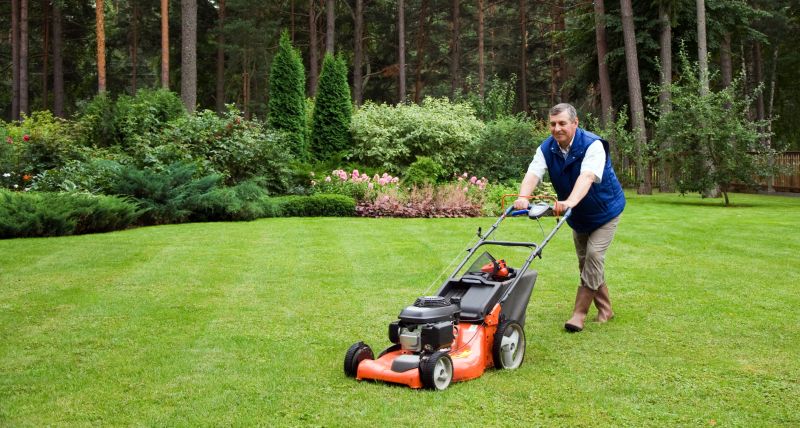 Overgrown lawns can present unique challenges that require specialized equipment for effective management. When grass and weeds have become unruly, selecting the right tools can make the task more manageable and efficient. From heavy-duty trimmers to robust lawn mowers and clearing tools, there are numerous options designed to tackle overgrowth of various scales. Understanding the features and capabilities of different products can help in choosing the most suitable equipment for your specific needs.
Top Overall Option
Heavy-Duty Brush Cutter
A versatile and powerful tool designed to cut through thick grass, tall weeds, and dense brush. Equipped with a robust engine and durable blades, it offers the ability to handle overgrowth with precision. Its ergonomic design ensures comfort during extended use, making it a reliable choice for tackling challenging overgrown areas. This type of equipment is suitable for both professional landscapers and serious homeowners seeking a dependable solution.
Types of Products For Overgrown Lawn Service
String Trimmers / Weed Eaters
Ideal for trimming overgrown grass and weeds in tight spaces or along edges, offering maneuverability and precision.
Lawn Mowers
Suitable for cutting large areas of overgrown grass, with options ranging from push mowers to riding mowers for extensive properties.
Brush Cutters / Clearing Saws
Designed to handle thick brush and tall weeds, providing high power and durability for heavy-duty clearing tasks.
Hedge Trimmers
Useful for trimming overgrown bushes and shrubs, creating a tidy landscape appearance.
Chainsaws
Effective for cutting down overgrown trees or large branches obstructing the area.
Grass Shears
Manual or powered tools for detailed trimming and shaping of overgrown grassy areas.
Rotary Tillers
Help loosen and prepare soil in overgrown patches for reseeding or planting.
Leaf Blowers
Assist in clearing debris and light overgrowth from pathways and lawn surfaces.
Pole Saws
Extend reach to cut high branches or overgrown trees safely from the ground.
Grass Edgers
Create clean lines along sidewalks, driveways, and flower beds after overgrowth removal.
String Trimmer Attachments
Versatile attachments for multi-purpose trimming and edging tasks.
Heavy-Duty Blades
Replacement blades for clearing thick brush and dense vegetation.
Power Rakes
Assist in removing thatch and moss from overgrown lawns to improve health and appearance.
Sprayers and Weed Killers
Help control invasive weeds and unwanted vegetation in overgrown areas.
Mulchers
Break down overgrown plant material for easier disposal or composting.
Hand Pruners
Ideal for detailed trimming of overgrown shrubs and small branches.
Garden Forks and Rakes
Assist in clearing debris and loosening soil in overgrown patches.
Popular Choices
Commonly used for edging and trimming overgrown grass in tight spaces.
Widely selected for large-scale overgrowth, especially riding mowers for extensive areas.
Popular for clearing dense brush and tall weeds in overgrown yards.
Frequently chosen for maintaining overgrown bushes and shrubs.
Often used for removing fallen trees or large branches in overgrown spaces.
Valued for detailed trimming and shaping of overgrown grassy areas.
Selected for preparing soil after overgrowth removal or for planting.
Popular for clearing debris and light overgrowth from pathways and lawns.
Chosen for reaching high branches safely and efficiently.
Commonly used to create clean borders after overgrowth removal.
Favored for revitalizing overgrown lawns by removing thatch buildup.
Used for applying weed control in overgrown areas.
Popular for reducing plant debris into manageable mulch.
Essential for detailed pruning of overgrown plants and shrubs.
Helpful for gathering debris and spreading mulch in overgrown zones.
Frequently used for clearing thick vegetation and brush.
Effective for removing invasive weeds from overgrown lawns.
Used to improve soil health after clearing overgrowth.
Proper tools not only facilitate faster work but also help in achieving a cleaner, more controlled landscape. For particularly dense or tall overgrowth, heavy-duty equipment might be necessary, whereas lighter tools can suffice for less severe situations. Safety considerations, ease of use, and maintenance requirements are also important factors to keep in mind when selecting products for overgrown lawn service.
Investing in quality equipment can make a significant difference in the results and the effort involved. Whether you are a professional landscaper or a homeowner tackling a large overgrown area, the right set of tools can streamline your workflow. Additionally, understanding the variety of available products allows for more informed decisions, ensuring you select tools that match the scale and nature of your overgrowth challenges.
Key Buying Considerations
- Assess the extent and density of overgrowth to determine the necessary power and size of equipment.
- Consider the type of vegetation present—thick brush, tall weeds, or woody material—to select appropriate tools.
- Evaluate ease of maneuverability, especially for equipment used in tight or uneven spaces.
- Review safety features such as shields, anti-vibration handles, and ergonomic design to ensure safe operation.
- Check fuel or power source compatibility and availability, including gas, electric, or battery options.
- Determine maintenance requirements and availability of replacement parts for long-term use.
- Consider the weight and portability of equipment for ease of transport and storage.
- Identify whether attachments or multi-functionality are needed for versatility in tasks.
- Review user feedback regarding durability and performance in similar overgrowth scenarios.
- Set a budget that aligns with the scale of your overgrowth and frequency of use.
- Ensure the equipment is suitable for your skill level or consider models with user-friendly features.
- Look for adjustable settings or blades to customize cutting height and intensity.
- Evaluate noise levels if working in residential areas to minimize disturbance.
- Consider the availability of warranties or customer support for peace of mind.
- Assess environmental factors like weather resistance if equipment will be used outdoors frequently.